The operational problem
Each country arrives with its own laws, document rules, languages, approval paths, roles, payments, and operating procedures. The delivery team must meet those requirements without creating an unrelated product for every jurisdiction.
I help adapt, extend, test, and ship passport, visa, and identity-document software for different national governments.
Why this system exists
A configurable platform keeps common identity capabilities maintainable across countries. Configuration handles known variation; new code is reserved for requirements the shared platform cannot express safely.
Requirements move through business analysis, country configuration, feature development, end-to-end testing, defect resolution, release preparation, and production support across a larger delivery team.
How the work moves
- Receive requirements
- Map jurisdiction rules
- Configure the platform
- Develop requirement gaps
- Test the complete workflow
- Resolve defects
- Support release
What shaped the solution
Sensitive identity information and controlled production access.
Strong tenant separation across government clients.
Country-specific workflows on a shared product.
Delivery deadlines and cross-team dependencies.
What I owned
Configured
Country workflows, entitlements, validation, roles, and Spring Profile behaviour
Developed
Requirement-specific Java, Spring, Vaadin, and payment workflow features
Tested
Complete country flows, regression behaviour, failure paths, and release defects
Operated
Production diagnosis, controlled changes, and release support
Collaborated
Business analysis, QA, DevOps, database, and implementation teams
Decisions that carried the work
Configure before forking
Country behavior lived in XML rules and Spring Profiles where possible, keeping one maintainable platform instead of creating client forks.
Treat workflow as state
Reception, review, approval, personalization, quality control, and issuance were handled as guarded states and role-aware transitions.
Make payments retry-safe
Invoice validation, idempotency, transactional updates, webhooks, and reconciliation protected the workflow when external and internal state diverged.
Verified outcome
Led St. Lucia implementation work within the delivery team.
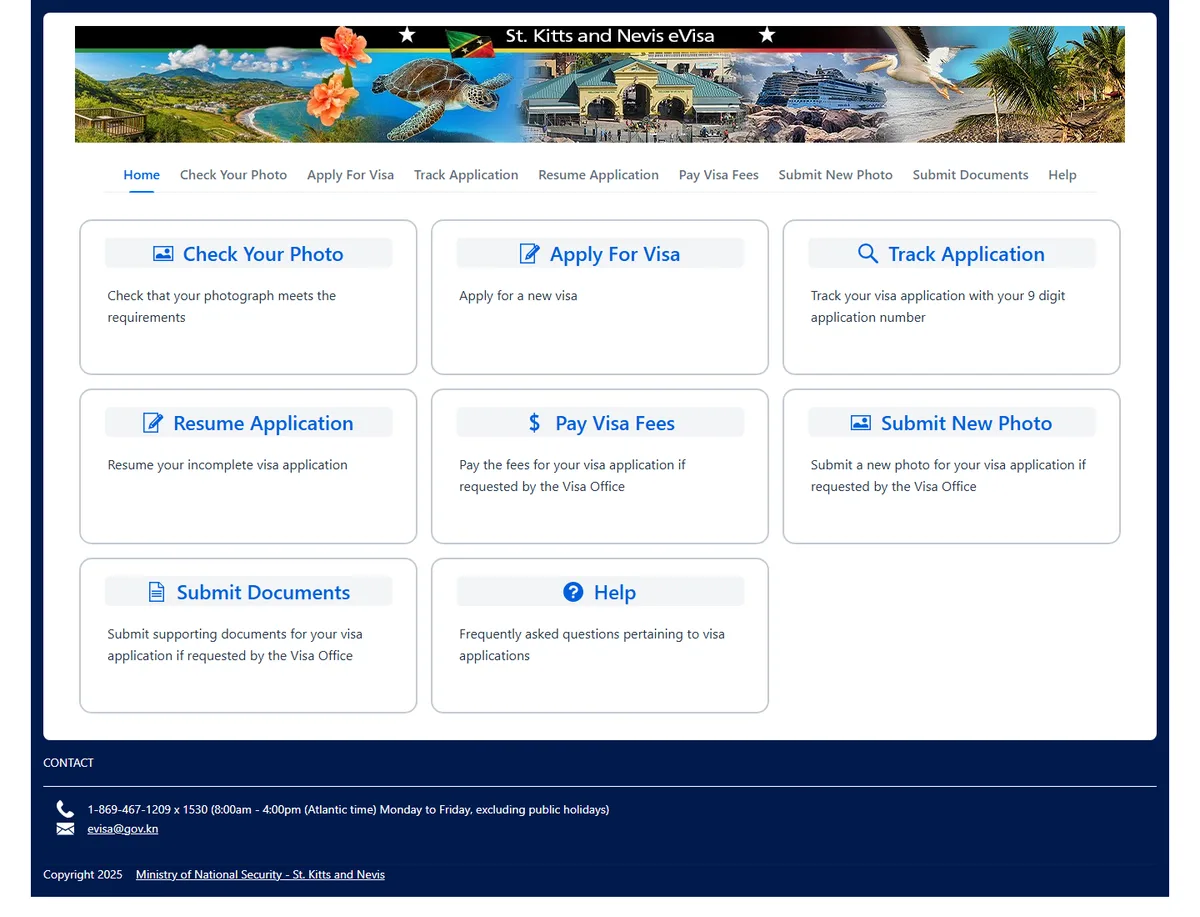
Co-led St. Kitts eVisa and passport delivery within the broader program.
Developed citizen-facing online passport and payment workflow features for Trinidad and Tobago.
Continue to support country onboarding, release, and production problem solving.
What I will not overclaim
The public case study is intentionally generalized. It contains no citizen data, internal source code, private endpoints, or non-public customer requirements.
Verified from Canadian Bank Note Software Developer sources. Current employment status follows Ayub's September 3, 2026 correction; older frontmatter contains a conflicting March 2026 end date.